At Bio Rencontres, held alongside Grands Jours de Bourgogne, the conversation quickly moved beyond the usual reassuring rhetoric about sustainable winemaking. This was not a panel based on vague consensus or decorative green vocabulary. It was a much sharper exchange, one that exposed the tensions currently shaping organic viticulture in Burgundy.
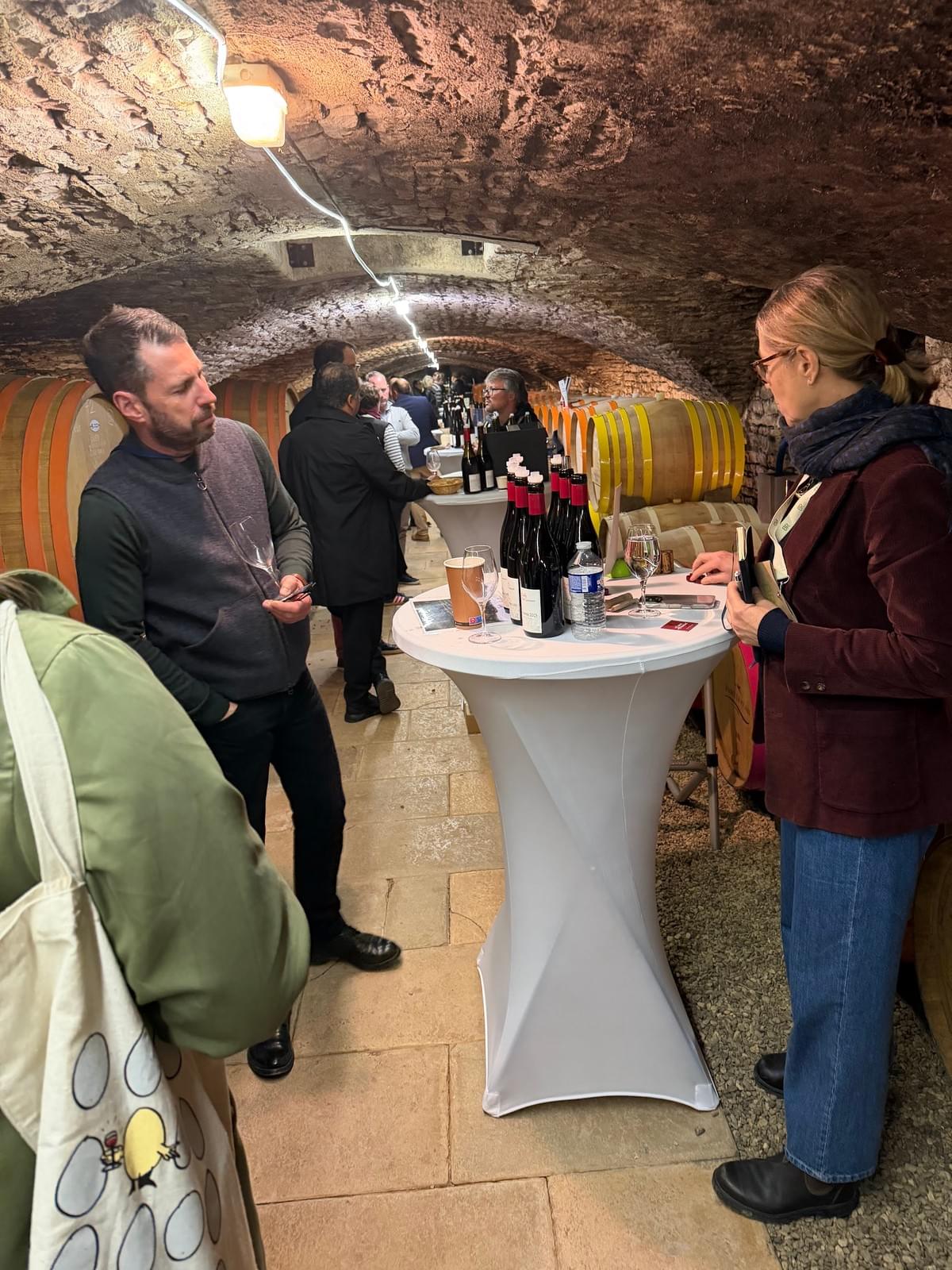
The event's setting was symbolically significant. As the fourth full-day edition of Bio Rencontres, it gathered 94 participants, consistent with attendance at the previous session in Nuits-Saint-Georges, according to Emmanuel Giboulot, President of the Viticulture Commission at Bio Bourgogne-Franche-Comté. Producers attended from the Côte de Beaune, Côte de Nuits, Côte Chalonnaise, Chablis, the Jura, and Beaujolais, indicating that discussions about organic farming now encompass a broader regional movement rather than being limited to a single area of Burgundy.
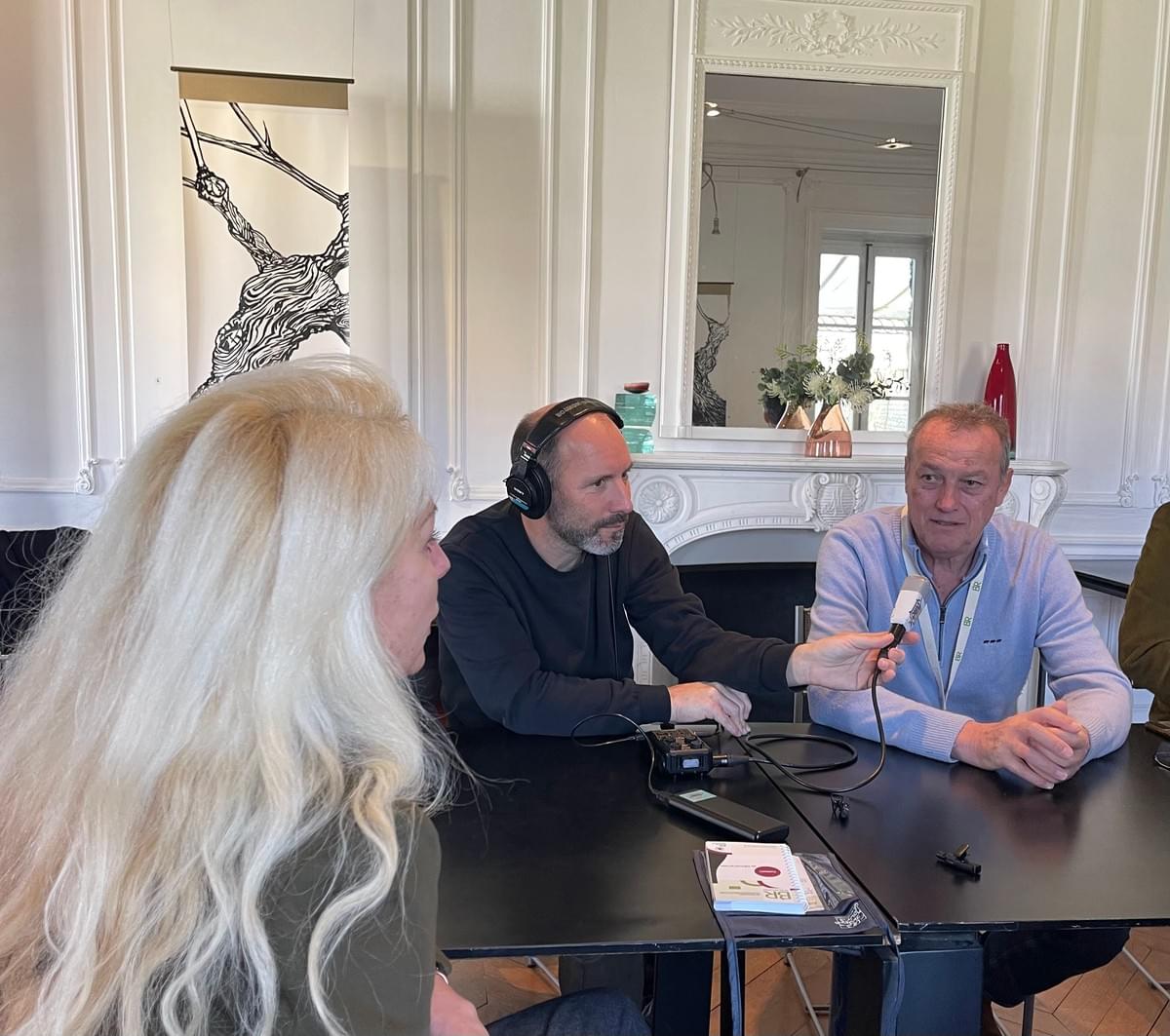
This expansion is now supported by quantitative evidence. Laurent Barle, Director of Bio Bourgogne-Franche-Comté, reported that organic viticulture comprises nearly 25% of the region's vineyard area, compared to approximately 10% for agriculture overall. The region includes about 900 estates specialising in organic viticulture, indicating a significant structural transformation rather than a niche trend.
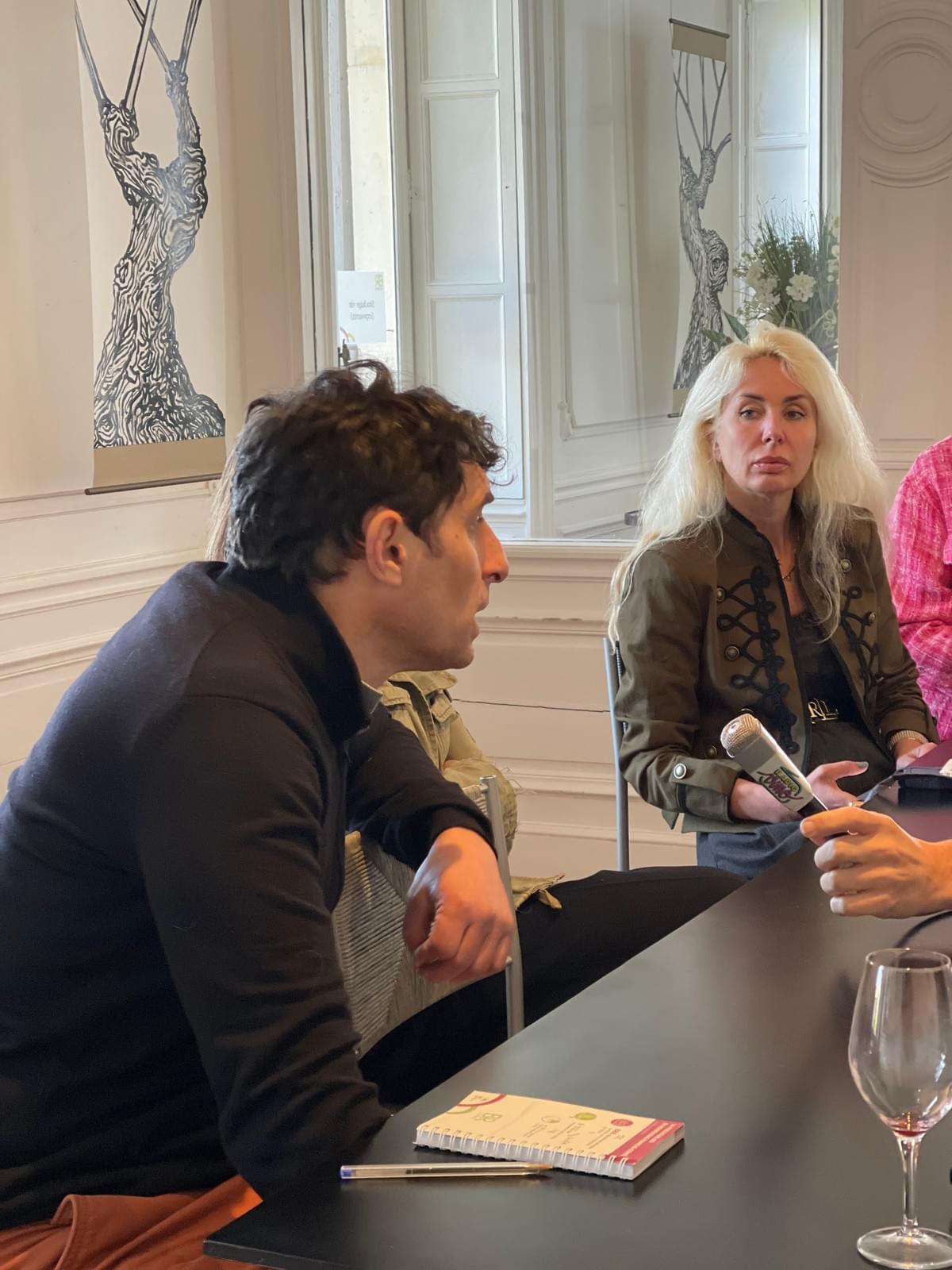
Yet what made this conference interesting was precisely the absence of triumphalism.
Despite the momentum behind organic conversion, the panel repeatedly returned to the subject of fragility: regulatory fragility, educational fragility and the fragility of transition when ideals collide with the practical realities of labour, disease and public policy.
One of the most striking contributions came from Emmanuel Giboulot, one of Burgundy’s most prominent biodynamic growers, who addressed the increasing uncertainty surrounding the use of copper. 'We are not safe from deconversion,' he warned. This was one of the most important points of the day because it shifted the conversation away from the comforting assumption that progress made in organic farming is irreversible.
Giboulot made it clear that the issue is not simply a ban, but rather a more technical and potentially more destabilising regulatory squeeze. 'These products have not been banned; they have simply not been reauthorised,' he explained. By 2027, the sector could lose access to 17 copper-based products, leaving only a tiny number of tools still available. For organic growers, this is not just an administrative detail. Copper remains central to managing fungal diseases, however imperfect that dependence may be.
His broader point was hard to ignore: if regulators move faster than practical alternatives can emerge, they do not necessarily accelerate the ecological transition; they may instead cause some growers to regress.
Francine Picard, owner of Château de Chassagne-Montrachet, articulated this tension even more directly when she delivered one of the conference's most forceful political statements. “I find the contradictions absolutely extraordinary,” she said. She argued that France celebrates wine and spirits as one of its most important export sectors, yet growers are too often confronted with policy frameworks that restrict rather than support their adaptation. She concluded that the state should invest in intelligent research instead of 'putting obstacles in our way'.
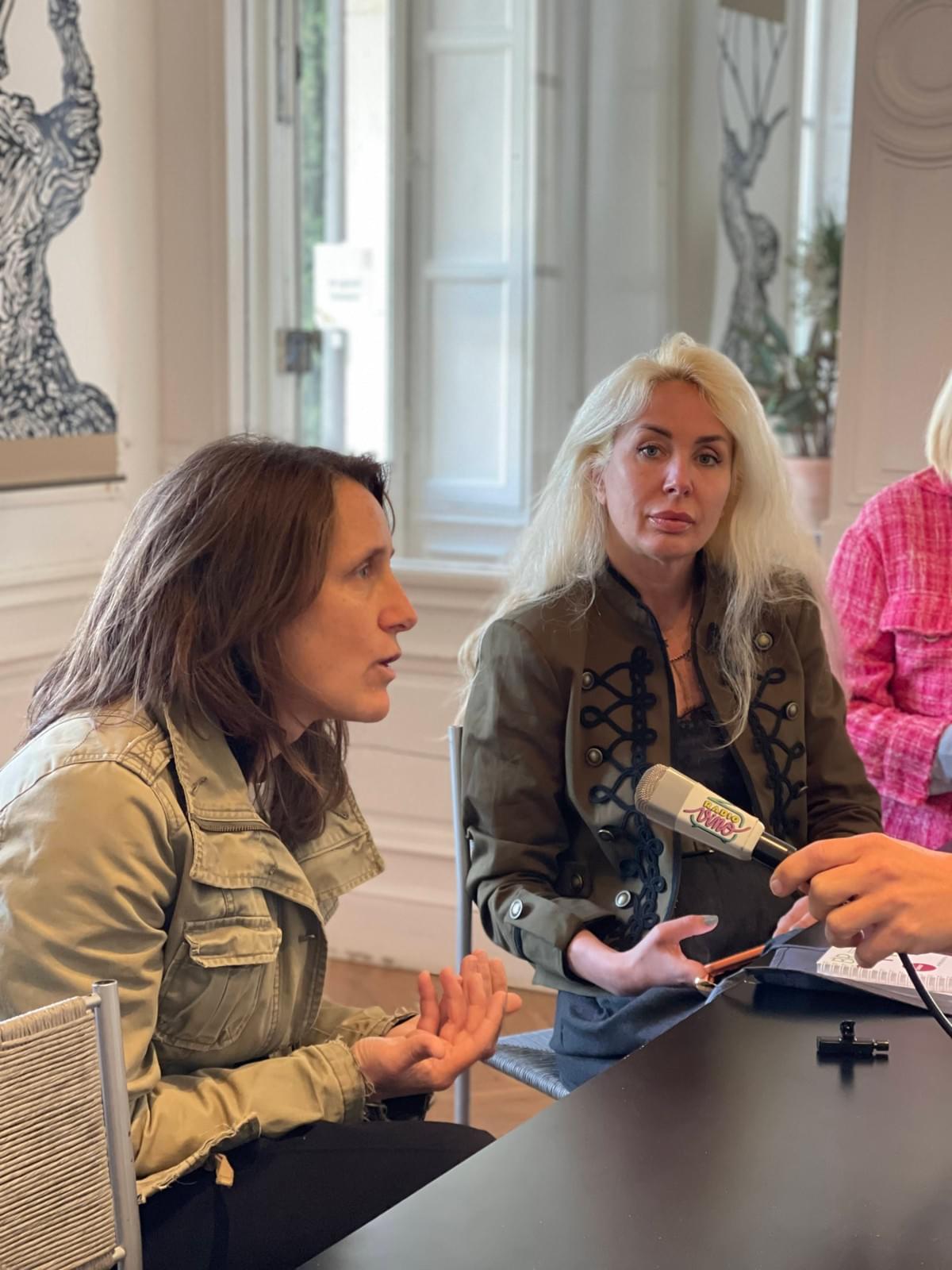
At this point, the discussion expanded beyond organic certification to address a broader issue: whether Burgundy can realistically transition to more sustainable viticulture without concurrent investment in scientific research, technical support, and coherent public policy.
Another significant topic was the transmission of knowledge, not only across generations but also from institutions to growers, educators, workers, and students.
Giboulot observed that agricultural and viticultural education continues to lack adequate instruction on organic and biodynamic practices. Barle added that Bio Bourgogne-Franche-Comté collaborates directly with students and provides training programs for teachers. This underscores that sustainability in winemaking is not solely a matter of personal conviction but also of effective pedagogy.
Picard brought the issue back down to the human level within the estate. 'Organic farming frightens employees because their initial reaction is, "You're going to lose yield".' She suggested that this fear must be addressed through training, reassurance and changing long-held beliefs.
This is one of the most under-discussed aspects of the transition to organic farming in the wine industry. The challenge is not only agronomic. It is also cultural and managerial. A domaine cannot simply convert by changing its spraying practices. It must retrain its people, rebuild their confidence and foster a shared understanding of risk.
Nevertheless, the conference was not pessimistic. In fact, one of the more optimistic points came from Giboulot’s observation that students are often far more responsive to these issues than previous generations were. 'They are the ones driving it,' he said. This feels like more than a passing remark. In many wine regions today, pressure for ecological responsibility increasingly comes from younger professionals who see sustainability as a basic condition of legitimacy, not an optional extra.
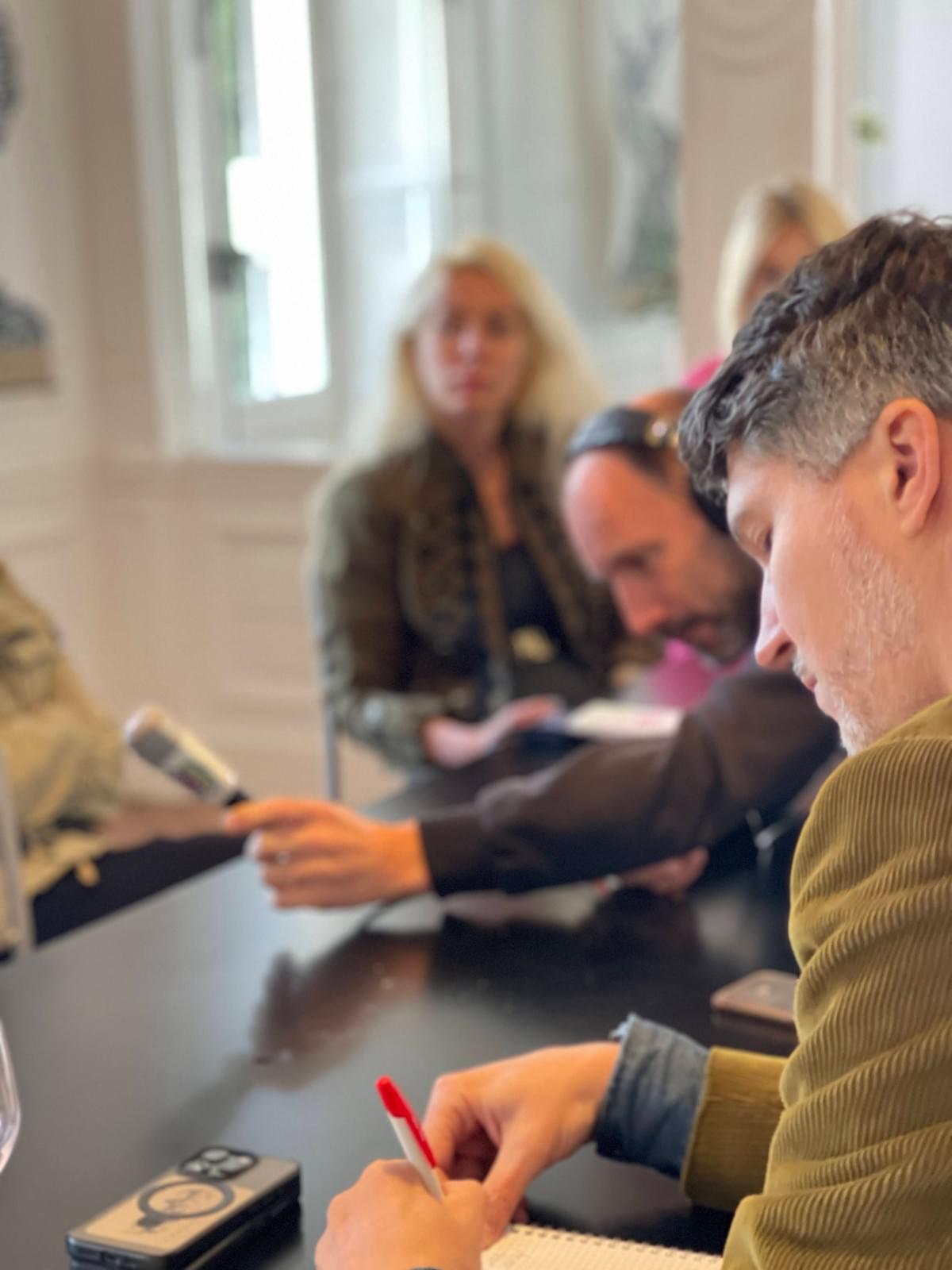
The discussion on climate introduced additional gravity. Giboulot referenced ongoing INRAE research monitoring soils across conventional, organic, and biodynamic systems, with preliminary results indicating scientifically measurable differences. He further asserted that vines are now coping better with heatwaves than in 2003 and that 'organic vines are more resilient than conventional vines.'
At this stage, the discussion focused on the critical issue of system resilience in the context of climate change. While climate change in Burgundy is frequently discussed in terms of harvest dates, ripeness, or alcohol content, the more fundamental question concerns which vineyard models best preserve vitality, balance, and adaptive capacity under repeated stress. Demonstrated resilience in organic viticulture, both ideologically and scientifically, could significantly influence future discourse.
Picard added the following concise yet evocative remark: 'It is one of the only plants that works like this. The older the vine, the more resistant it becomes.' It was a short statement, but it carried weight. In Burgundy, resilience is never just a technical issue. It is also tied to time, continuity and the gradual strengthening of living systems.
Even the discussion of hybrids, which are often treated elsewhere as an obvious solution for the climate era, was approached with caution. Giboulot described them as 'an interesting avenue of exploration that should not be dismissed', but remained sceptical about whether Burgundy could preserve 'the finesse of Pinot Noir' and 'the vigour of Chardonnay'. This hesitation was not reactionary. Rather, it expressed a genuinely Burgundian dilemma: how to adapt without emptying the region of the sensory and cultural identity on which its meaning rests.
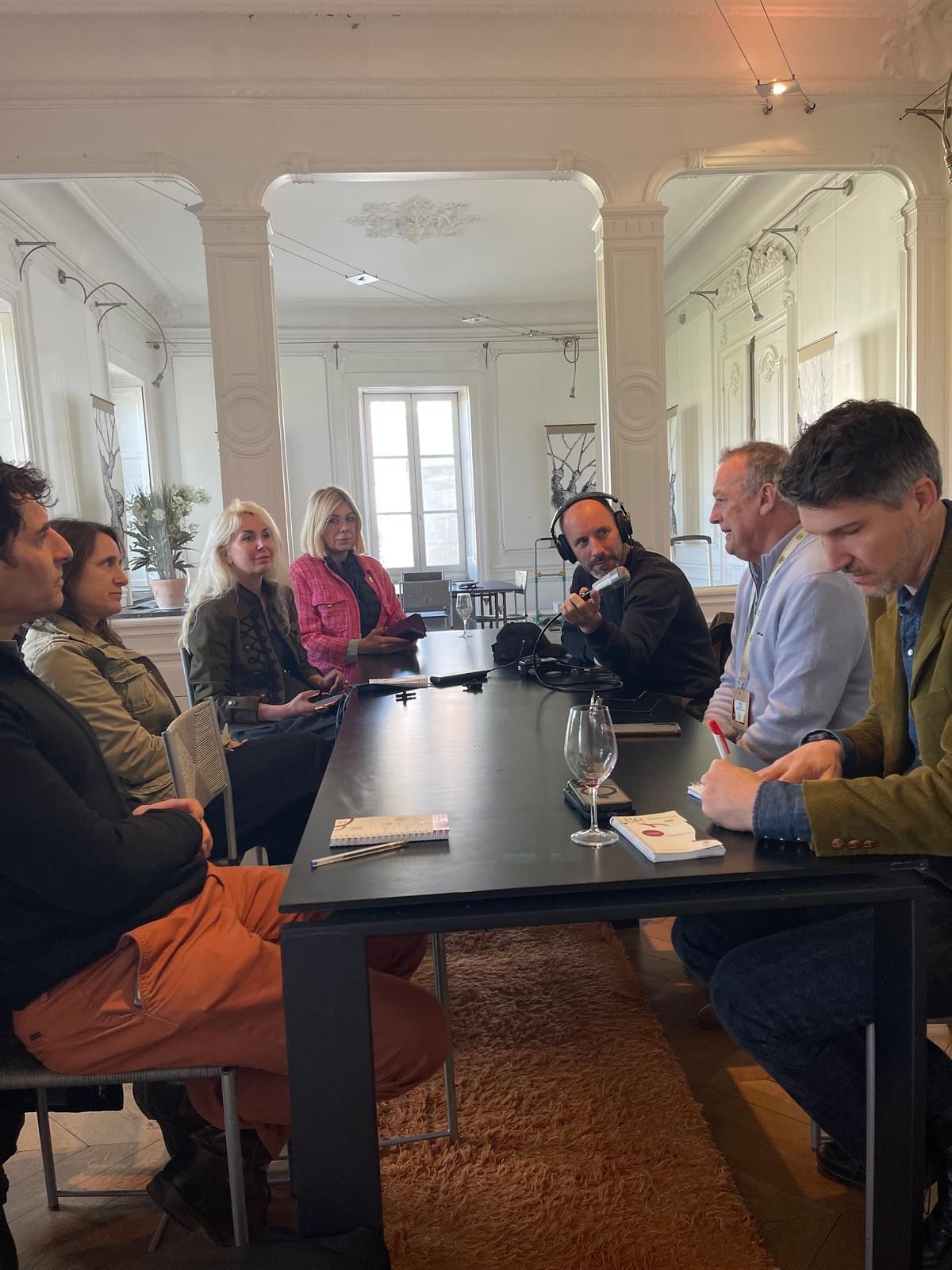
This consideration may represent the central significance of Bio Rencontres.
The conference did not seek to establish the virtue of organic wine, a debate that has become less relevant. Instead, the event demonstrated that organic Burgundy has entered a more complex phase, characterised by genuine growth alongside significant structural pressures. Regulatory changes may limit essential tools for growers, educational efforts are ongoing, climate-related challenges are intensifying, and labour concerns persist. While research offers promise, it remains incomplete. Furthermore, adaptation raises critical questions about the extent to which Burgundy can evolve while retaining its distinctive identity.
Consequently, the primary debate has shifted away from the merits of sustainability, a topic that is now largely settled in Burgundy.
The central question now concerns whether sustainability can be implemented in a manner that is operational, scientifically validated, economically viable, and culturally authentic simultaneously.
Participants at Bio Rencontres acknowledged the complexity and difficulty of achieving this objective.
This recognition contributed to the value and relevance of the discussion.